GRiD Uganda | Community-Led Development Organization

Community-led programs strengthening education, health, and dignity
GRiD works alongside communities to address barriers to education, health, and dignity across underserved areas in Uganda.
Our programs are shaped through listening, local leadership, and continuous learning, ensuring solutions are practical, relevant, and owned by the people they serve.
Our reach at a glance
These figures reflect early outcomes from community-led action across education, health, livelihoods, and governance programs.
The realities communities are navigating
Across underserved communities in Eastern Uganda, adolescent girls and young people face interconnected challenges that limit access to education, health, and meaningful participation.
Poverty, harmful social norms, and limited community voice often reinforce these barriers, while local systems struggle to respond effectively. These challenges affect both individual wellbeing and the long-term resilience of communities.
Where community-led action begins
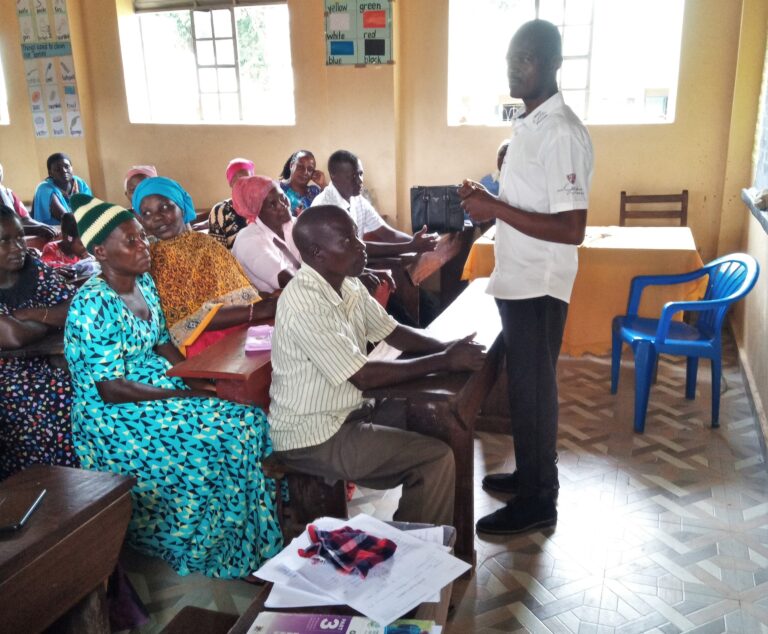
GRiD works with communities to turn shared challenges into practical, locally driven solutions. By strengthening knowledge, leadership, and collective action, communities are supported in shaping and sustaining their own development pathways.
Our theory of change
This is how community-led action translates into change over time:
The challange
Systemic barriers in underserved communities, including poverty, harmful social norms, limited community voice, and weak local support, systems restrict access to education, health, economic opportunity, and meaningful participation, particularly for adolescent girls and young people.
Community action
GRiD works with schools, families, youth groups, and community leaders to:
- Facilitate inclusive community dialogues
- Build local knowledge, skills, and leadership
- Strengthen community institutions and support systems
- Promote rights-based and gender-responsive approaches
What this creates
- Learners, youth, teachers, and community members reached through education, SRHR, livelihoods, and governance programs
- Trained community trainers, champions, and savings groups
- Strengthened school and community engagement structures
Early changes
- Improved knowledge, confidence, and participation among learners, adolescent girls, and youth
- Increased community support for girls’ education, menstrual health, and wellbeing
- Enhanced household economic practices and collective savings behavior
- Stronger community engagement in local decision-making processes
Deeper shifts
- Reduced education disruption linked to health, gender, and economic barriers
- More inclusive and supportive school and community environments
- Increased household resilience and livelihood diversification
- Improved collaboration between communities and local institutions
Long-term change
Communities where girls, youth, and households are supported to participate fully in education, economic life, and local governance, lead to improved dignity, opportunity, and sustainable community resilience.
Why this approach works
When communities are actively involved in defining challenges and shaping solutions, change becomes more relevant, more sustainable, and more widely owned.
This approach strengthens not only outcomes in education, health, and livelihoods, but also the systems and relationships that sustain them over time.
Our programs
We design and deliver community-led programs that strengthen education, health, livelihoods, and local governance.
Education & youth development
Strengthening learning environments and youth leadership through school–community collaboration.
Improving learning outcomes while nurturing confident, capable young leaders.
Increased participation and leadership among learners and young people.
Gender & menstrual health (SRHR)
Strengthening menstrual health support and enabling safe, supportive environments for adolescent girls
Focused on reducing barriers to school attendance and improving confidence among girls
Increased school participation and reduced stigma around menstrual health
Livelihoods & household economic strengthening
Strengthening household resilience through savings, skills, and community-based economic support.
Focused on improving financial practices and strengthening household stability
Increased savings, improved financial planning, and stronger household resilience
Community governance & participation
Strengthening community voice and accountability through inclusive dialogue and local engagement
Focused on enabling communities to participate in decision-making and influence local priorities
Increased community participation and more responsive local decision-making processes.

How programs are delivered
GRiD implements programs in phases, allowing learning from each stage to inform the next. Early work in menstrual health, for example, has focused on awareness and access, with insights now shaping the introduction of skills-based approaches.
This adaptive model ensures programs remain responsive, practical, and grounded in lived community experience.
When communities are actively involved in defining challenges and shaping solutions, change becomes more relevant, more sustainable, and more widely owned.
This approach strengthens not only outcomes in education, health, and livelihoods, but also the systems and relationships that sustain them over time.
How we work across all programs
These principles guide how GRiD works across all programs, ensuring that community-led action is inclusive, accountable, and sustainable.
Community voice & participation
Communities actively shape decisions and solutions
Gender equality & safeguarding
Programs promote safety, dignity, and inclusion for all
Learning, accountability & adaptation
Continuous learning strengthens effectiveness and trust
Partnerships & local ownership
Local actors lead and sustain long-term change


Community-led change in action
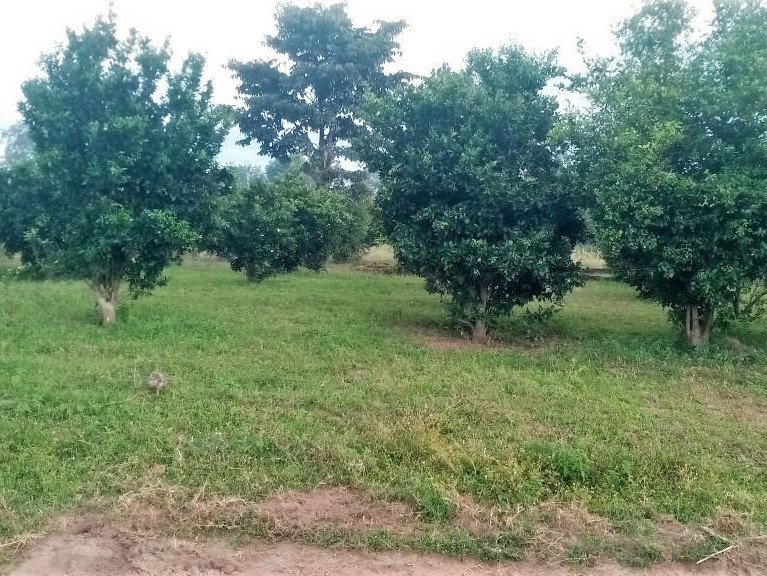
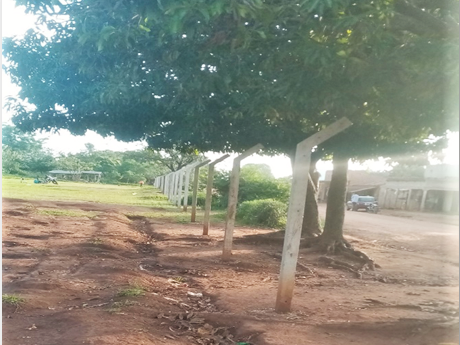
Small, locally driven actions have delivered tangible improvements in schools, households, and community spaces.
Through Community Philanthropy for Development (CP4D), communities are mobilising local resources to solve urgent challenges, from restoring school water systems to supporting girls’ education.
Financial snapshot
Financial Snapshot: Approximately 90% of GRiD’s resources directly support program delivery, with the remainder invested in governance, safeguarding, and accountability systems.
GRiD’s programs demonstrate that when communities lead, change is faster, more relevant, and more sustainable, yet many underserved communities still lack access to these opportunities.
Emerging & cross-cutting priorities
Environmental Sustainability (Emerging Focus Area)
GRiD recognizes that environmental stress including climate variability, land degradation, and resource pressure increasingly affects education, health, and household livelihoods in underserved communities.
While GRiD does not yet implement standalone environmental programs, environmental sustainability is integrated across our current work through community dialogue, livelihood resilience, and local governance engagement.
As GRiD grows, we plan to develop dedicated environmental initiatives in partnership with communities and technical actors, guided by evidence and local priorities.
How we track progress
GRiD tracks program delivery and learning using practical, stage-appropriate data. We monitor participation, activities, resource use, and structured feedback from communities, schools, and partners to understand what is working and where improvements are needed.
As programs mature, we are strengthening outcome tracking in line with delivery readiness and partner expectations. Our approach prioritises credible evidence, continuous learning, and responsible use of resources over premature claims of impact.

Future plans
GRiD’s model is designed to scale through community ownership rather than organisational expansion alone. By strengthening local capacity, working through schools and community structures, and adapting programs to context, we aim to expand impact while maintaining quality and accountability.
Future growth will prioritise learning, partnerships, and sustainability over rapid expansion, ensuring that programs remain effective, locally owned, and responsive as they grow.