GRiD Uganda | Community-Led Development Organization

OUR PROGRAMS
Strengthening communities through education, dignity, livelihoods, and participation
GRiD works alongside communities, schools, families, and local leaders to strengthen systems that improve learning, resilience, participation, and long-term wellbeing.
HOW WE WORK
Our approach
GRiD’s programs are community-driven, systems-focused, and grounded in continuous learning. Rather than creating parallel structures, we work through existing community, school, and local leadership systems to strengthen long-term resilience and local ownership.
Across all programs, we prioritize participation, safeguarding, accountability, and practical solutions that respond to community realities.
Community-led development
Programs are shaped through community participation, dialogue, and local ownership.
Systems strengthening
GRiD works through existing schools, households, and local structures.
Safeguarding & accountability
Programs integrate safeguarding, inclusion, and transparent participation processes.
Adaptive learning approach
Programs evolve through continuous learning, feedback, and community realities.
Education & youth development
Strengthening learning systems that support children and young people to participate, lead, and thrive.
Program overview
Education is shaped not only in classrooms, but also through the support systems surrounding learners: families, teachers, schools, and communities.
In underserved communities, barriers such as limited learning resources, household pressures, and weak engagement structures continue to affect participation and long-term learning outcomes, particularly for adolescent girls.
GRiD works alongside schools and communities to address barriers that limit participation, leadership development, and learning continuity while strengthening local systems that support children and young people.
3,200 Learners supported • 210 teachers and school leaders capacity strenthened • 15 schools engaged

Key challenges
Limited learning resources
Many learners lack access to supportive learning environments and educational materials.
Poverty-driven dropout
Economic pressure continues to affect school attendance and continuity
Weak support systems
Low parental engagement and limited school support structures affect participation and learning outcomes

How GRiD responds
GRiD works with schools, families, and community leaders to strengthen the systems surrounding learners. The program combines learner support, youth leadership development, teacher capacity strengthening, and community engagement to improve participation and learning continuity.
Implementation follows a phased, community-engaged approach that emphasizes local ownership, continuous learning, and practical adaptation.
Core focus area
- Learner mentorship and support
- Youth leadership development
- Teacher capacity strengthening
- Parent and community engagement
- School-community collaboration
Why it matters
Strengthening foundational learning, youth leadership, and teacher capacity helps address underlying drivers of dropout and underperformance while improving long-term education outcomes.
This systems-based approach prioritizes sustainable improvement over short-term remediation.
Current reach
GRiD tracks program delivery and reach across three priority areas: Reach & Access, Systems Strengthening, and Community Impact. The figures below present current results informing internal learning, adaptation, and accountability.
Restoring dignity. Keeping girls in school.
Supporting adolescent girls to manage menstruation with confidence, dignity, and uninterrupted participation in learning.

The reality many girls face
Limited access
Many girls lack access to reliable menstrual hygiene materials
Stigma & silence
Persistent stigma and misinformation affect confidence and participation
Weak support systems
Limited parental engagement and school support structures disrupt learning continuity
Core focus area
- Menstrual health awareness
- Community dialogue
- Reusable menstrual pad trainings
- Parent engagement
- Teacher support systems
How GRiD responds
GRiD works with girls, families, and schools to strengthen menstrual health awareness and break the silence surrounding menstruation.
Through school engagements and community dialogue, the program addresses stigma, improves access to reusable menstrual hygiene materials, and creates supportive environments where girls can remain in school confidently and participate fully.
Safeguarding and dignity are integrated throughout the program to ensure that girls participate in safe, respectful, and supportive learning environments.
Why it matters
By addressing menstrual health and adolescent wellbeing through existing family and school structures, the approach prioritises low-cost, preventive support that helps protect girls’ attendance, learning continuity, and long-term educational outcomes.
Early results
More girls staying in school
Participating schools report noticeable improvements in attendance during menstruation
Growing awareness & openness
Pupils, parents, and teachers demonstrate stronger understanding and openness around menstrual health
Stronger support systems
Schools and families are becoming safer and more supportive for adolescent girls

Beneficiary story
“Before, I used to miss school during my period because I felt uncomfortable and afraid. Now I can stay in class and focus, just like the others.”
— Primary Seven Pupil, Pallisa District
Flagship Initiative
My Body, My Future
- PHASE 1:
Awareness, dignity & access
Focused on menstrual health awareness, stigma reduction, community dialogue, and access to reusable menstrual hygiene materials.
- PHASE 2:
Skills & sustainability (in progress)
Introduces skills-based training in reusable pad production to strengthen sustainability, reduce long-term costs, and promote local ownership.
Livelihoods & household economic strengthening
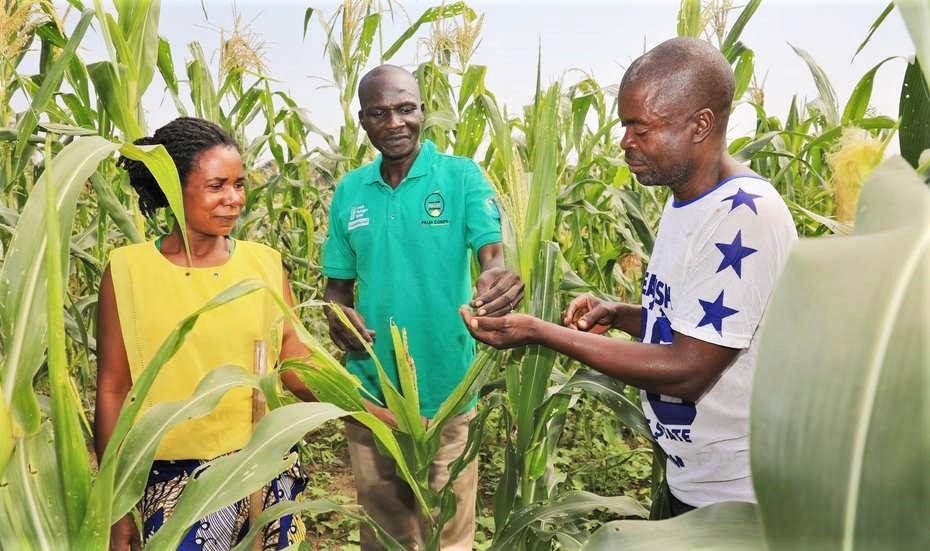
Supporting household resilience through savings, skills development, and community-based economic participation

Program overview
Household stability plays a critical role in whether children stay in school, families remain resilient, and communities are able to plan for the future.
In many communities where GRiD works, income sources are informal and unpredictable, leaving households vulnerable to shocks and limiting their ability to consistently support education, health, and wellbeing.
Key challenges
Many households face ongoing economic pressures that affect education continuity, wellbeing, and long-term resilience.
Income Instability
Many households rely on informal and unpredictable income sources that are vulnerable to disruption.
Limited financial planning
Limited savings practices and financial planning reduce households’ ability to respond to economic shocks.
Vulnerability to economic shocks
Financial instability affects households’ ability to consistently support education, health, and wellbeing.
How GRiD responds
GRiD supports households through savings groups, financial discipline training, income-generating skills, and peer learning approaches that strengthen resilience and reduce dependency on emergency support.
The program follows a phased and adaptive model that responds to local realities and evolving community needs.
Core focus area
- Savings and financial discipline
- VSLA group strengthening
- Enterprise and skills development
- Peer learning approaches
- Household resilience building
Why it matters
By strengthening savings practices, financial planning, and income stability, households are better able to invest consistently in education, health, and wellbeing.
This approach supports long-term resilience and reduces vulnerability to recurring economic shocks.
Current reach
GRiD tracks program delivery and community reach across household resilience, economic participation, and systems strengthening. The figures below reflect current implementation results informing continuous learning, adaptation, and accountability.
Community governance & participation
Strengthening inclusive dialogue, local leadership, and community participation in development processes.
Program overview
Sustainable development depends on strong relationships between communities and the systems that serve them.
GRiD strengthens inclusive and accountable governance by creating structured platforms for dialogue, building local leadership, and enabling meaningful participation in local decision-making processes.

Key challenges
Limited citizen participation
Many community members, particularly women and youth, have limited access to safe, inclusive, and structured spaces where they can participate in dialogue and contribute to local decision-making processes.
Weak accountability mechanisms
Limited transparency, feedback structures, and community engagement mechanisms reduce opportunities for responsive and accountable local development processes.
Gaps between communities & duty bearers
Weak collaboration and communication between communities and local leaders often limit trust, collective action, and responsiveness to community priorities.
How participation is strengthened
GRiD facilitates inclusive dialogue processes, strengthens local leadership, and supports communities to actively participate in decision-making.
These efforts are grounded in trust-building, non-partisan engagement, and locally owned processes that connect community priorities with institutional action.
Core focus area
- Community dialogue platforms
- Women and youth participation
- Civic awareness strengthening
- Leadership engagement
- Community-institution collaboration
Why it matters
Inclusive participation strengthens trust, accountability, and collective problem-solving between communities and local institutions.
By creating credible spaces for dialogue and collaboration, the program supports more responsive, transparent, and locally owned development processes.
4,200+ people • 80 communities • 44 dialogues • 40 champions
Environmental sustainability (emerging)
Environmental sustainability is integrated across GRiD’s programs through community dialogue, resilience-building approaches, and locally informed practices.
Dedicated environmental initiatives will continue to evolve as partnerships and institutional capacity grow.

Safeguarding, inclusion & accountability
Safeguarding, inclusion, and accountability are integrated across all GRiD programs to promote safe, respectful, and community-centered participation.
Through community engagement, responsible implementation practices, and accessible reporting and referral pathways, GRiD works to strengthen protective environments and build trust across schools, households, and communities.
GRiD also promotes transparent participation, locally informed feedback mechanisms, and inclusive engagement processes that support dignity, safety, and accountability throughout program delivery.
Partner with us to strengthen community-led development
GRiD works alongside communities, schools, and local leaders to build sustainable systems that improve learning, dignity, resilience, and participation.